


Exploring how social connections
and behaviours affect our health
We are the Social Biobehavioural Research Group at University College London, a World Health Organization Collaborating Centre for Arts and Health. We host the UNESCO Chair in Arts and Global Health, which is led by Professor Daisy Fancourt. We are also home to the National Centre for Social Prescribing Data and Analysis and we facilitate the Social Prescribing Youth Network.
We investigate how social connections and behaviours impact people’s health. By conducting cutting-edge, cross disciplinary research, our aim is to determine how our health is influenced by both social ‘assets’ and ‘deficits’. These include social relationships, arts, culture and leisure (assets), as well as loneliness, isolation, and social restrictions (deficits).
Our work looks at the “basic science” of how social assets and deficits influence health outcomes using epidemiological and molecular approaches and developing new theory, and the “applied science” of the impact of community and healthcare interventions and policies on individuals and societies.
Our goals

Research
Advancing knowledge of how social factors affect our health by conducting cutting edge, cross-discipline research studies

Impact
Driving international policy and practice advancements in health by engaging practitioners, policy makers and the public

Development
Improving the quality of social biobehavioural research internationally by building networks and training for researchers and practitioners
Featured projects

National Centre for Social Prescribing Data and Analysis
A strategic partnership between the National Academy for Social Prescribing and the Social Biobehavioural Research Group to accelerate social prescribing
GRACE-Epi
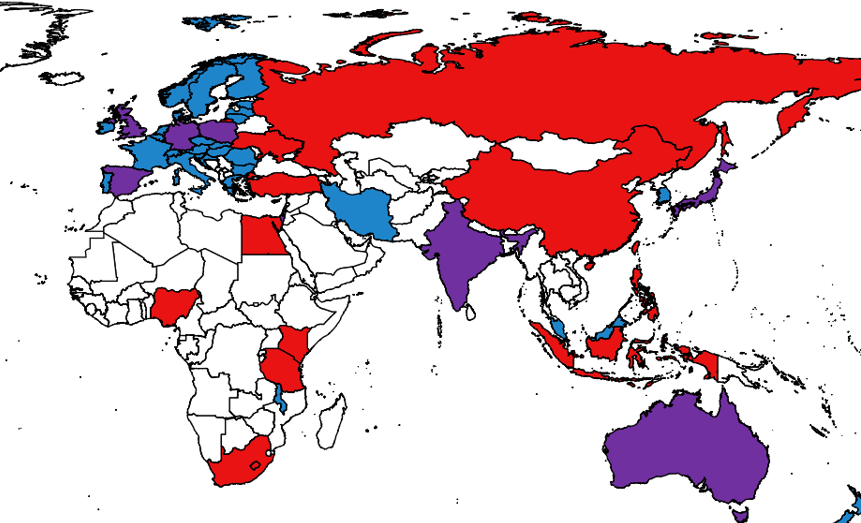
A major new 7-year programme of Global Research on Arts & Cultural Engagement funded through a Wellcome Discovery Award aimed at advancing Epidemiological methods

Wellbeing while waiting (‘INSPYRE’)
Exploring how social prescribing can help young people waiting for NHS mental health support