What a year 2024 has been!
At the Social Biobehavioural Research Group we have collectively published >40 papers, won 12 research grants, given over 50 presentations in over a dozen countries, supervised 17 PhD students and visiting scholars and received nearly 15,000 website visitors.
Head of our Research Group Prof Daisy Fancourt was also just listed in Clarivate’s annual ‘Highly Cited Researchers List’ 2024, recognising authors of the most influential research papers from around the world and ranked the 7th most highly cited emerging scientist in the UK.
In this blog we take a look back at the last 12 months and celebrate our highlights from across the team…
January
New year, new projects! The beginning of 2024 saw the launch of several major new schemes of work for the team. This included receiving funding from the Kavli Trust for a national programme to develop and test social prescribing pathways in schools and tackle the crisis of loneliness amongst young people. As we sought to spread the word and recruit schools to take part in the study, news of this programme received coverage in The Times, Evening Standard, Daily Mail and on BBC Radio Live.
February
We relaunched our self-directed online course “Arts, Culture and Heritage: Understanding their complex effects on our health” developed with the Royal Society of Public Health, so it is now freely available via our website. You can join over 300 learners who have undertaken the course this year – the training is ideal for early careers researchers and community organisations interested in understanding how arts, culture and heritage activities can improve our physical and mental health and wellbeing.
March
During March, members of our team headed to Dublin to join colleagues from across the field of arts and health for Creative Brain Week. We made new connections and shared updates about our work on the forthcoming Lancet Global Series on the health benefits of the arts, with the World Health Organization and the Jameel Arts & Health Lab. This was just one of multiple trips this year which saw our team share our research with international audiences across the US, Europe, Australia, Asia and South America. You can explore more recordings of our recent lectures and webinars on our website.
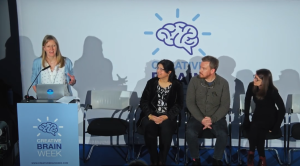
Prof Daisy Fancourt presents our work at Creative Brain Week in Dublin
April
In April we joined the World Health Organization in celebrating World Health Day and calling for action to uphold the fundamental right to health. Coincidentally, 2024 also marked the five year anniversary of our joint scoping review investigating “What is the evidence on the role of the arts in improving health and well-being?”. The report has been downloaded over 200,000 times since 2019, making it the fourth most downloaded WHO publication ever and sparking new arts and health policies in over a dozen countries.
May
As the weather improved it was perfect timing to head to the beautiful Snape Maltings to run our flagship Arts Health Research Intensive. Joining us were a fantastic cohort of 49 students and professionals eager to deepen their understanding of arts in health theory and practice. Read more in our round up blog for highlights of the week-long residential, and if you are interested then applications for our 2025 course are currently open!
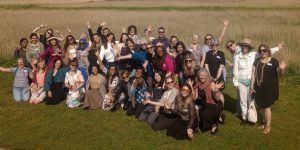
2024 delegates at the Arts Health Research Intensive in sunny Snape Maltings
June
At the Social Biobehavioural Research Group we are invested in training the next generation of researchers. This includes taking part in widening participation schemes for higher education, supervising postgraduate students, developing training materials and running training courses, and connecting with others working in our field. Over the summer months we were privileged to be joined by several students undertaking placements in our team – you can meet two interns in their guest blog!
July
In July we were excited to publish a brand new framework through funding from the British Academy exploring the fundamental question: “Why is engagement in arts and culture unequal?”. Prof Daisy Fancourt and Dr Katey Warran introduced the research in an online event, sharing case studies and guidance with more than 100 attendees, including those working in arts and community organisations, higher education, policy and funding. Watch our animation below for a flavour of the framework, and check out our full suite of resources on the RADIANCE webpage.
August
Whilst the summer might provide a break for many, the Social Prescribers in our team were busy meeting with young people as part of our Wellbeing While Waiting study. This was a great time of year for strolls in parks and conversations about people’s interests and potential activities they could get involved in. We’ve since had more than 200 young people access social prescribing through our study, with our in-house Link Workers providing over 300 hours of support. The team recently presented their learning and practical tips in a webinar with the National Academy for Social Prescribing.
September
2024 was a turning point in UK politics, and as the new Labour Government met for its party conference in September we took the opportunity to distill evidence from our last decade of research into arts and health. Take a look at our blog to read five things we’ve learned about how the arts can help deliver Labour’s “plan for change”.
October
After spending so much time researching the value of arts and culture, we try to live out these recommendations wherever possible. As revealed in our staff spotlight series, we have a range of creative talents within the team, from paper cutting to crochet and salsa. October provided an excellent opportunity for artistic skills to shine through in the form of team pumpkin (and melon) carving!
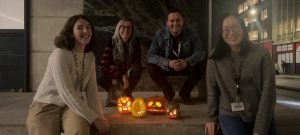
Members of the team show their creativity with pumpkin carving this Halloween
A huge thank you to all our fantastic funders, research partners and participants for making this work possible. We wish you a lovely festive break and look forward to many exciting things to come in 2025!


