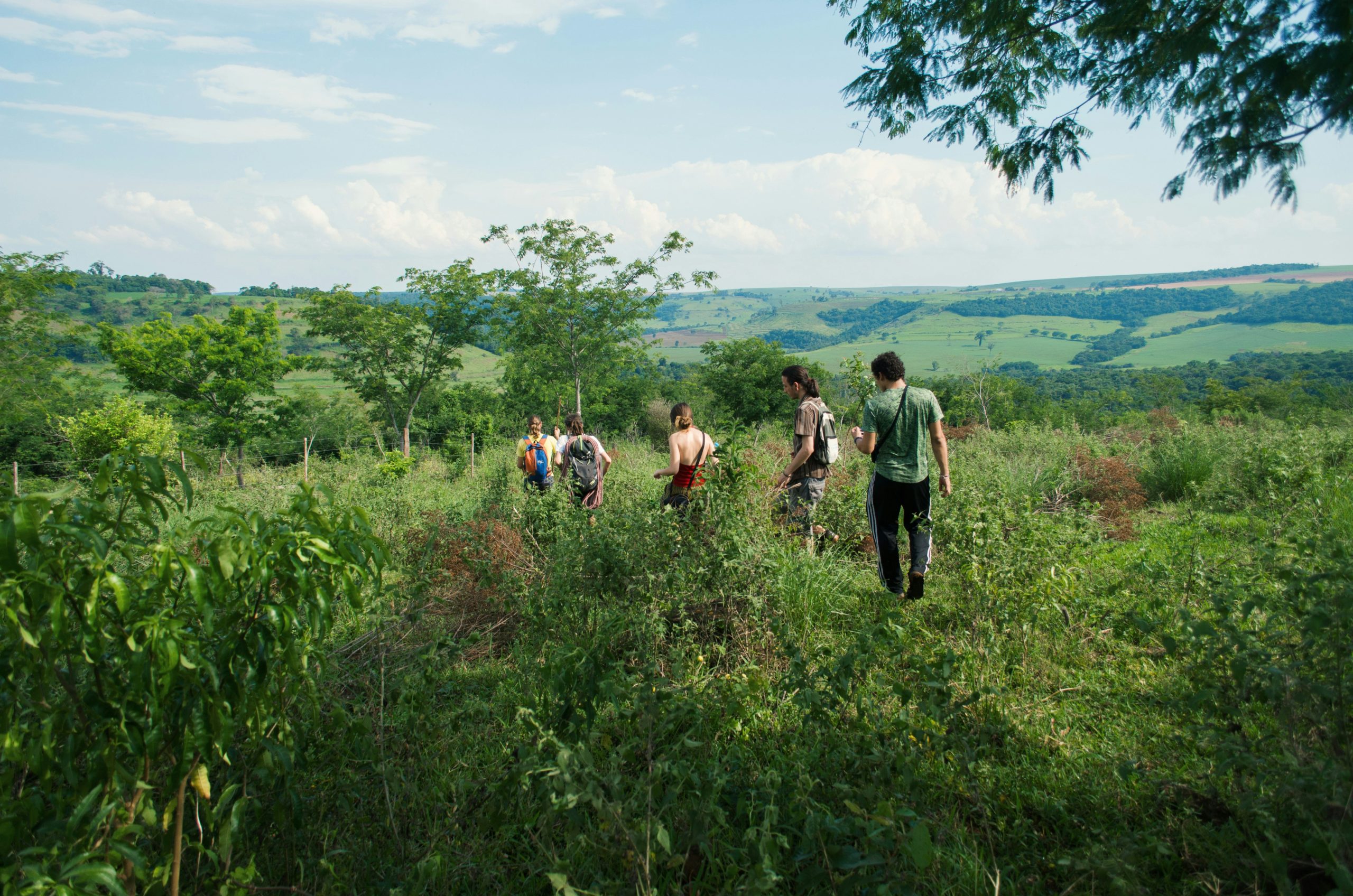
Aidan, a member of our Youth Advisory Group for the Social Prescribing Youth Network, was previously referred to a youth club at a local wildlife trust. He said:
“It became an outlet where I could engage with nature and with like-minded people. It helped me to cope and it reduced my eco-anxiety. It helped me to see that there is hope out there and I became more active in trying to solve the issues I really cared about.
At school I led our environment group and we created a wildflower garden and installed bird boxes that attracted blue tits and blue tit chicks. At the youth group we put in a boardwalk to make a wildflower garden more accessible for people living in a care home. So it was not just helping young people but the whole of society. I believe based on my own experience that social prescribing can have massive effects on people’s lives.”
Amanda Thompson, Children & Young People’s Link Worker at Sunderland Counselling Service, said:
“One of the aspects I value most about the social prescribing model is its person-centred approach. It focuses on what is important and meaningful to the young person, placing them at the heart of the process. I have seen firsthand how this approach gives young people the opportunity to take ownership of their own journey, while recognising and celebrating the achievements they make along the way. It also extends beyond the individual, often having a positive impact on the wider family unit by reducing pressures, strengthening relationships, and creating a more supportive home environment.
Seeing a young person who may have previously struggled socially begin to engage in clubs or activities, develop hobbies, learn new skills, build friendships, and grow in confidence is incredibly rewarding. What may seem like small steps to others can represent significant achievements and personal progress for a young person. Looking back on a young person’s journey and recognising how far they have come is one of the most fulfilling aspects of the role.”