


In celebration of Social Prescribing Day we’re bringing together highlights from the team’s last year of work on the topic of social prescribing. This includes our activities as the National Centre for Social Prescribing Data and Analysis as well as hosts of the Social Prescribing Youth Network. Read on to learn about landmark pieces of research, free resources for practitioners and opportunities to join the social prescribing movement.
The latest on social prescribing from the Social Biobehavioural Research Group
Read our special roundup blog to mark Social Prescribing Day 2026.
26 March 2026
But first, need a reminder of what social prescribing is and how it can support health and wellbeing? Watch Professor Daisy Fancourt’s explanation for Expeditions, published as part of the Philip Leverhulme Prize Collection.
March 2025
This time last year, we published the study protocol for INACT, our new national programme piloting a social prescribing pathway via schools to improve outcomes for young people. Led by Dr Daniel Hayes (Principal Research Fellow), we have tested the pathway’s feasibility and acceptability and are now evaluating its impact on loneliness through a randomised controlled trial.
April 2025
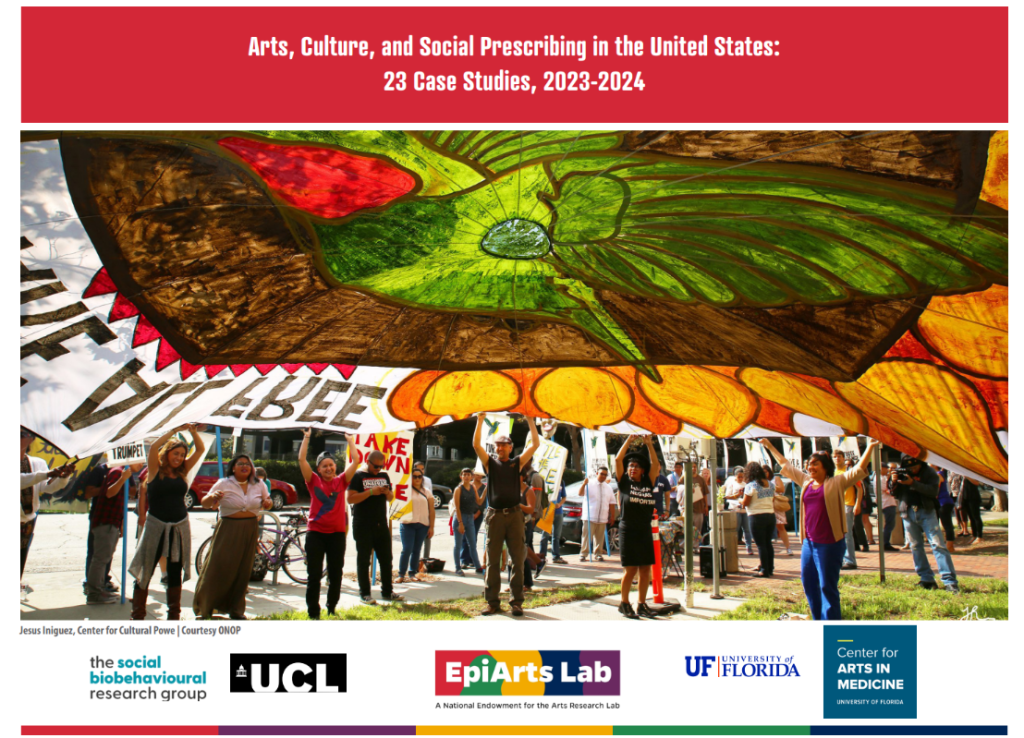
Through the EpiArts Lab, our collaboration with the University of Florida Center for Arts in Medicine, we undertook a major national evaluation of the emerging social prescribing landscape in the US. Our learning was published in April as a Viewpoint for The Lancet Public Health, alongside a report showcasing 23 inspiring case studies, from music lessons to glassblowing workshops and museum visits.
May 2025
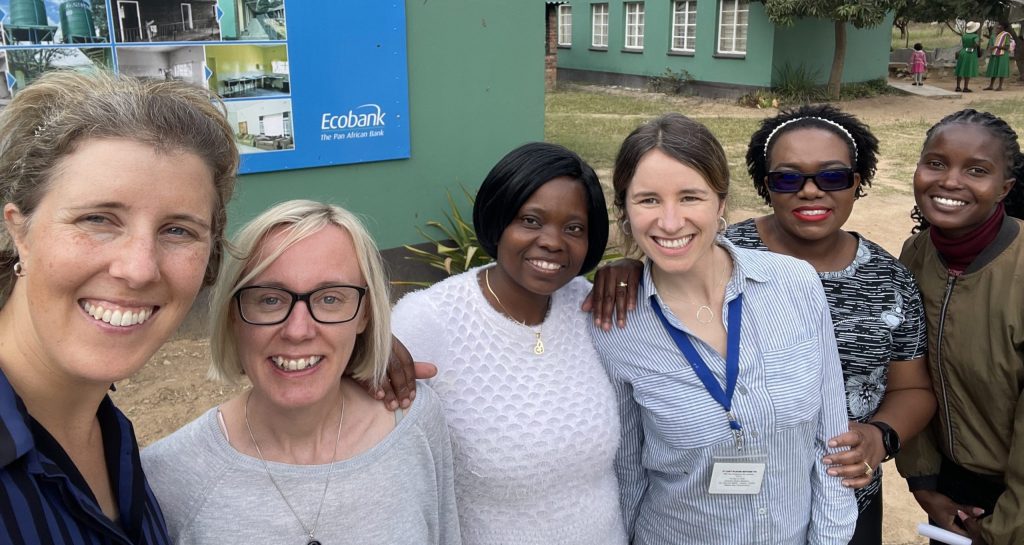
After months of planning, SBB team members Alexandra Bradbury (Honorary Research Fellow) and Dr Alexandra Burton (Honorary Senior Research Fellow) joined colleagues from Zimbabwe to launch a project with care homes in the country’s capital, Harare. They are investigating whether social prescribing could improve the wellbeing of older adults aged over 65.
June 2025
In June, Professor Daisy Fancourt spoke at the All-Party Parliamentary Group on Creative Health in Westminster, giving evidence to highlight the urgency of the youth mental health crisis and the opportunities presented by creative health approaches such as social prescribing.
“Our recent DCMS analysis found that arts engagement on a day-to-day basis for young people brings them individual wellbeing benefits that are valued at over £1,000 a year per person.” — Professor Daisy Fancourt
July 2025
During the second half of 2025 as part of our work hosting the Social Prescribing Youth Network we convened a series of national roundtables discussing best practice for youth social prescribing. Check out the visual summaries of our conversations with young people; link workers; Voluntary, Community, Faith and Social Enterprise organisations; researchers; and commissioners and policymakers.

August 2025
August was an opportunity to bring together Patient and Public Involvement Group members to discuss emerging findings from our research into the psychological, social and economic impact of musculoskeletal conditions. This included reflections on how social prescribing could better meet the needs of patients with musculoskeletal conditions.
September 2025
In September, new research led by Dr Feifei Bu (Principal Research Fellow) provided the first detailed estimates of the scale and reach of social prescribing across England. The study demonstrated that 1.3 million people were referred to social prescribing services by their GP in 2023 alone – far exceeding the initial NHS goal.
October 2025
We were delighted to hold a webinar introducing the National Centre for Social Prescribing Data and Analysis in October, outlining our new partnership with the National Academy for Social Prescribing. The Centre aims to transform timely access to high quality, robust social prescribing data and in doing so support the shift to a more pro-active, sustainable health service.
November 2025
Over the last three years Wellbeing While Waiting has worked with Child and Adolescent Mental Health Services (CAMHS) across England to develop and test a social prescribing model that can be scaled nationally to help many more young people. In November the research team presented results from the project, which is the first robust trial to demonstrate social prescribing can positively impact mental health difficulties for young people.
Building on this work, November also saw the launch of CASPA. Through this new research project we are working with CAMHS sites further, developing and testing a social prescribing pathway as part of the offer once young people have started psychological treatment.
December 2025
As we reached the end of the year, we celebrated that Link Workers embedded in our Research Group had collectively delivered social prescribing to hundreds of young people through our trials. The team have previously shared practical advice for others working in the field, such as this template activity for exploring a young person’s daily routine as well as different examples of remote and in person sessions. Find all these resources and more on our Social Prescribing Youth Network webpage.
January 2026
Kicking off 2026, Art Cure: The Science of How the Arts Transform Our Health was published by Professor Daisy Fancourt, quickly becoming a Sunday Times Bestseller and now shortlisted for the Women’s Prize for Non-Fiction. The idea of social prescriptions has since been picked up across the media internationally:
“An Overlooked Prescription for Happiness…Fancourt calls engaging in the arts “the forgotten fifth pillar of health,” alongside diet, sleep, exercise and nature. Yet, we have reduced it to a form of entertainment” – New York Times
February 2026
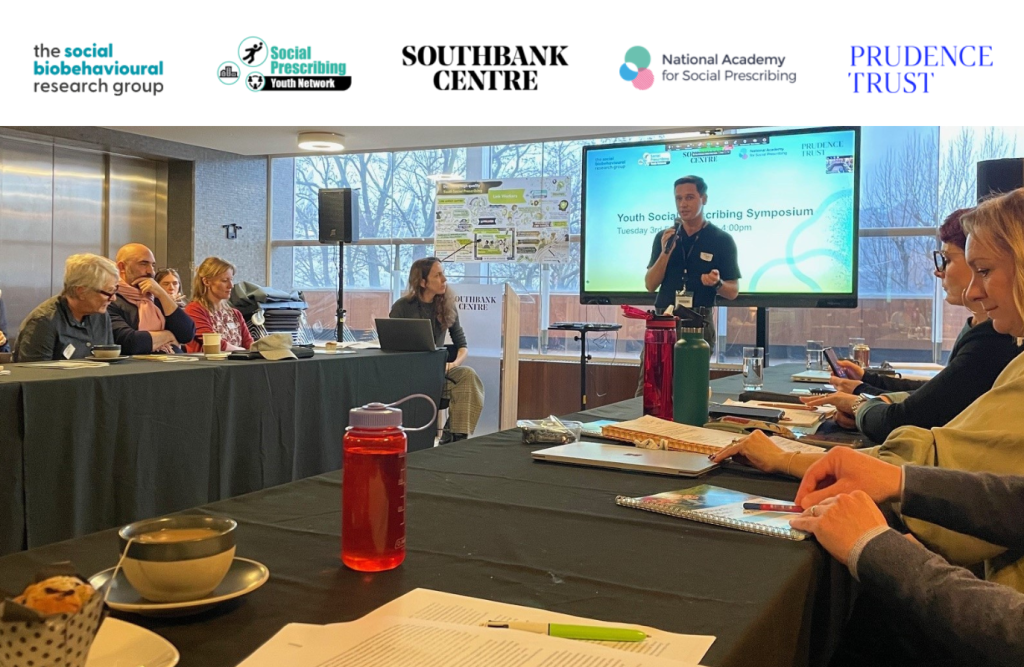
Last month we held our Youth Social Prescribing Symposium at London’s Southbank Centre. The event brought together diverse voices to discuss where research, policy and practice should head next and featured presentations from Research Group members Lou Sticpewich, Dr Daniel Hayes and Professor Daisy Fancourt. At the Symposium, we also launched two new freely available resources:
March 2026
And most recently, Professor Daisy Fancourt travelled to Greece earlier this month to give a keynote at the International Conference on Art on Prescription, celebrating the findings from two randomised control trials involving 1,000 adults with severe mental illness who received arts on prescription. At the event, the Greek Ministers for Health and for Culture jointly announced a new national law recognising the therapeutic role of art, a significant milestone for the growing global social prescribing movement.
A huge thank you to our partners and funders, as well as our research participants, advisory groups and network members.
Looking forward we are excited to share further results from our national trials and grow our social prescribing work with international partners through our position as the WHO Collaborating Centre for Arts and Health and UNESCO Chair in Arts and Global Health.
If you haven’t already, do subscribe to our newsletter to receive future updates and join the Social Prescribing Youth Network for free – you can also register for our next Member Meetup taking place on the 20th April, 12 – 1pm.